

this is not financial advice *I have no idea what I’m talking about https://ssrn.com/abstract=3521300 MIT Sloan Research Paper No. 5908-20 William B. Kinlaw State Street Global Markets Mark Kritzman Massachusetts Institute of Technology (MIT) – Sloan School of Management David Turkington State Street Associates Date Written: January 15, 2020 The authors introduce a new index …
Author Archives: Matthew Krupczak
(Chris Aniszcyk) Open Source Gerrymandering

I’ve written before here and there about containers, open source, and the Cloud Native Computing Foundation. While my knowledge is at best surface level for many off these topics, the CNCF’s CTO Chris Aniszcyk has some interesting writings on what goes on in the development, governing, and organization of such substantial open source communities: More: …
Continue reading “(Chris Aniszcyk) Open Source Gerrymandering”
(Joel Spolsky) Developers are Writing the Script for the Future
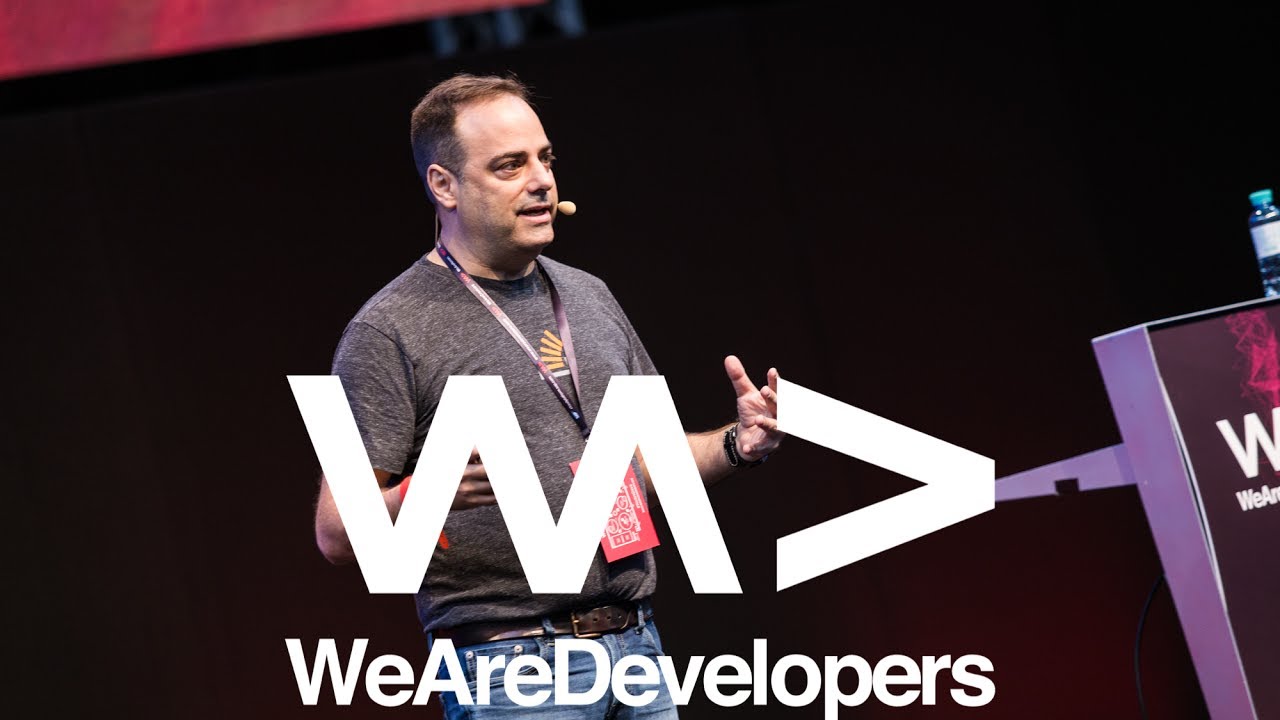
we are just little vegetables swimming in software soup Software is popular because it has an agenda … it has something it’s trying to do. If you write the software, you set the agenda. Therefore, software developers are writing the script for the future. Marc Andreessen: Why Software is Eating the World (Wall Street Journal) …
Continue reading “(Joel Spolsky) Developers are Writing the Script for the Future”
(CNBC) The Rise of Open Source Software

The rise of open source software An excellent video released yesterday by CNBC on the history of open source, its current state and usage, and its contributors and funding models. Previously: Home
Failure Tolerance with the Rafting Algorithm (Kubernetes)

link to visualizer link to writeup on algorithm Play with the algorithm (break stuff!) as implemented in etcd Why? Failure resiliency and “uptime”are two hallmarks of good sysops. In addition, much of operations level goals can be boiled down to: Raising the mean (average) time between failures (MTBF) Lowering the mean (average) time to repair …
Continue reading “Failure Tolerance with the Rafting Algorithm (Kubernetes)”
(Joel on Software) Advice for Computer Science Students

Advice for Computer Science Students 1. Learn how to write before graduating. 2. Learn C before graduating. 3. Learn microeconomics before graduating. 4. Don’t blow off non-CS classes just because they’re boring. 5. Take programming-intensive courses. 6. Stop worrying about all the jobs going to India. 7. No matter what you do, get a good …
Continue reading “(Joel on Software) Advice for Computer Science Students”
Hawking my Projects I: Oscillating Avian (Game Boy Game in C)

Click “Run it anyway”: ← go left (moving disables flapping) → go right (moving disables flapping) z, ↑ flap! (don’t hold too long, best to hold for about 0.3s at a time) Backspace Go to start screen Enter Go to Game Over Fullscreen This is a game I made as part of a class assignment …
Continue reading “Hawking my Projects I: Oscillating Avian (Game Boy Game in C)”
How I made this site (Docker, WordPress, https)

How I used Docker to set up this WordPress site quickly and easily on DigitalOcean (cloud provider), with free HTTPS certs provided by let’s encrypt. EDIT: Most readers should use EasyEngine instead of this guide for a more up to date and easy to administer Docker NGINX+Wordpress setup similar to the one detailed here. You …
Continue reading “How I made this site (Docker, WordPress, https)”
The Worst Piece of Code I’ve ever Written
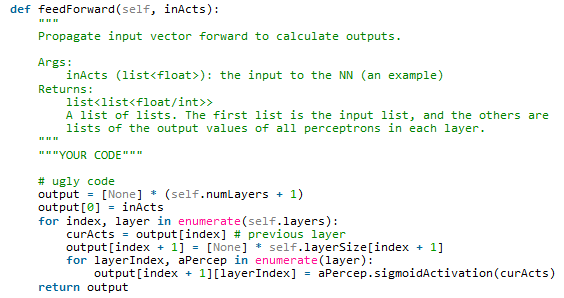
I think for anyone who’s built or worked on something, there’s a tendency to wonder if something could have been done better or what could have been done differently. Gabe Newell of Valve has said that his favorite game from his company was Portal 2, if only because he was much more involved in the …
Continue reading “The Worst Piece of Code I’ve ever Written”
Commoditize your complements (and open source software)

The heartbleed OpenSSL vulnerability in 2014 (affecting Google, Facebook, etc.) exposed another issue: sometimes widely used open source software doesn’t get the love it deserves in terms of monetary or code support from those that use it. If you’re using open source software at your company, then this software could be considered in economics terms …
Continue reading “Commoditize your complements (and open source software)”